Charge on your own electricity
A car is the largest single load most homes ever add. Charging it from your own panels, or from a battery filled at off-peak rates, is where the economics of home energy and motoring actually meet.
Eligible — but only as part of a solar or battery job
Plenty of websites will tell you the Warm Homes Loan Scheme "covers EV chargers". That is only half true, and the missing half matters. Here is what the rules actually say.
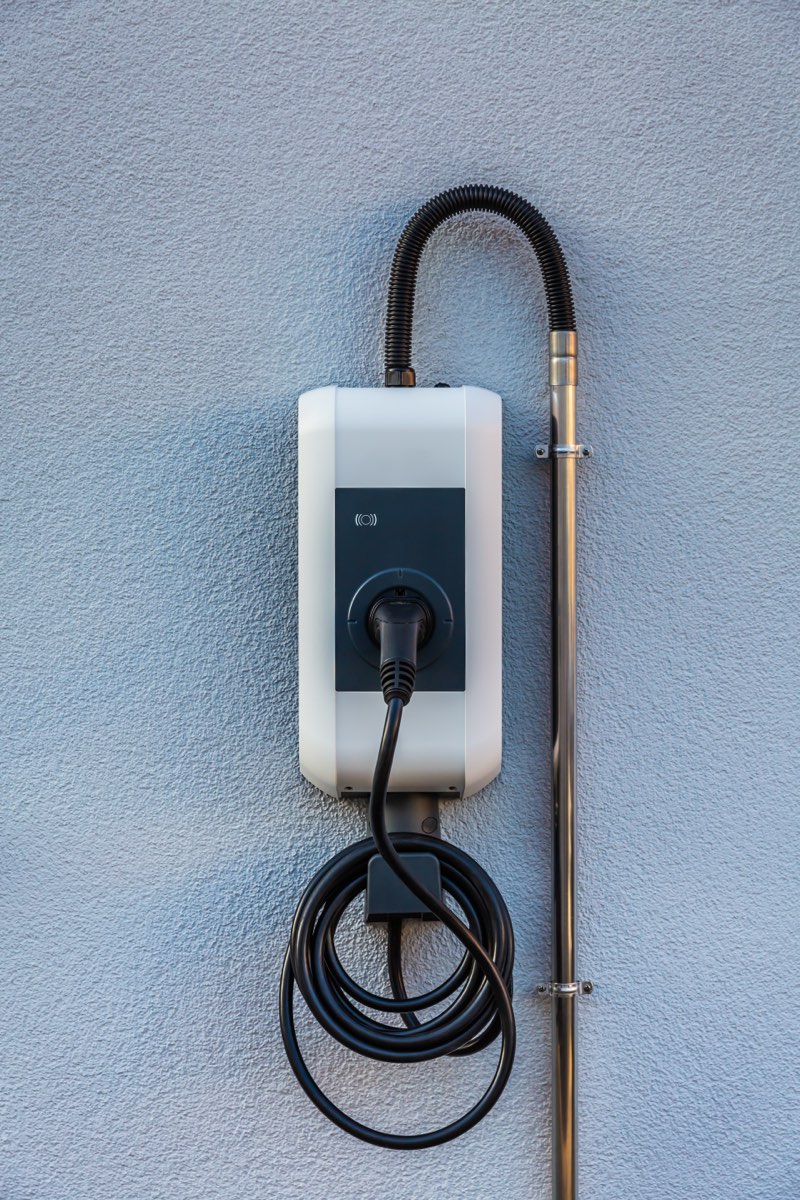
An EV chargepoint installation must only be made as part of a solar and/or battery installation to be eligible under the scheme, and EV chargepoints are not permissible as a standalone measure.
So: solar plus a charger, yes. Battery plus a charger, yes. A charger on its own under this scheme, no — not at any price, and no matter who tells you otherwise.
The charger is treated as an ancillary cost of the solar or battery measure. The scheme is explicit that any ancillary work funded by a loan must fall within the relevant measure cap.
So a charger does not unlock extra borrowing. It uses part of the £15,000 solar cap or part of the £15,000 battery cap. In practice, for most domestic jobs, there is ample headroom — but it is worth knowing which bucket it comes out of.
Pair it with a battery. A battery-only retrofit is eligible in its own right under this scheme — up to £15,000, no solar required — and an OZEV-approved charger can be included as an ancillary cost of that battery installation. For a lot of EV drivers that combination is the better buy anyway: the battery lets you charge the car and run the house from off-peak electricity.
A car is the largest single load most homes ever add. Charging it from your own panels, or from a battery filled at off-peak rates, is where the economics of home energy and motoring actually meet.
Consumer unit work, earthing arrangements, load calculations and cable routes overlap heavily between a battery, an inverter and a charger. Doing them together is cheaper and tidier than three separate visits.
A charger that talks to your tariff, your inverter and your battery is worth far more than one bolted to a wall in isolation. Integration is the part people regret skipping.
We will still fit it — we just will not pretend this scheme pays for it. You would be buying it as ordinary paid work, or using whatever separate finance you prefer. A lender on the Warm Homes list can offer you a normal, unsubsidised loan for work outside the scheme; that is a standard personal loan and carries none of the Warm Homes rate reduction. Ask us for a straight price and we will give you one.
Free, no-obligation
Tell us what you drive and how you use the car. We will design the electrics once, quote them properly, and tell you exactly which parts the loan can and cannot fund.
Prefer to talk it through? Email [email protected].